
By Danielle Ciccone, MS, RD, CDN
Do the new dietary guidelines and updated food pyramid leave you hungry for answers? When U.S. Department of Health and Human Services Secretary, Robert F. Kennedy, Jr., unveiled the inverted design in early 2026, many Americans were left wondering just how much their diet should change.
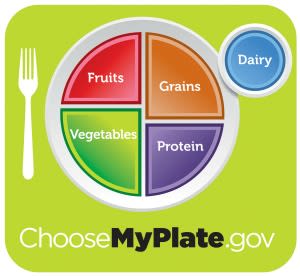
As a Stamford Health registered dietitian, I’m responsible for helping Stamford Health patients find a healthy balance of foods for their bodies and lifestyles. The new pyramid replaces the circular MyPlate, which allowed Americans to customize their recommendations, so naturally there is uncertainty as to how it should be applied.
Keep reading for frequently asked questions from Stamford Health patients about the new inverted food pyramid and how best to incorporate it into your diet.
The positive is that the guidelines are prioritizing natural, unprocessed foods, but one concern is the guideline to consume only full-fat dairy. While children between the ages of 1-2 need whole milk dairy products, low fat is for kids, teens and older adults. Some fat-free dairy products can have fillers, like carageenan, guar gum, food starch, sugar, and milk solids. Looking at the ingredients list is a simple way to see if a product has these additives, so choosing 1% over 0% can be a way to have a low-fat product that is purer and a better choice for the same amount of calcium as their whole-fat counterparts.
Also, these guidelines only emphasize cow’s milk and not plant-based products that are just as beneficial in terms of calcium, like soy milk and almond milk. More than one-third of Americans are naturally lactose intolerant, so the guidelines are missing a huge chunk of the population.
The updated guidelines urge Americans to eat foods in their natural forms versus packaged or man-made options, which is a huge positive. Ultraprocessed foods are a driver of chronic illness and disease, including cancer, diabetes, and heart disease. Oftentimes they contain added sugars which can lead to inflammatory conditions like diabetes or insulin resistance.
With that said, though, labels that tout “added protein” are often processed foods. We’re not pushing protein shakes or saying to reach for any food that has a boost of protein. Instead it’s about incorporating more whole-food protein choices into your meals on a consistent basis.
To get your fill of fiber (around 25 grams per day), be careful of reaching for foods with added fiber. These, like those boosted with protein, are considered ultraprocessed since it’s not from the natural source. Instead, try to incorporate legumes, chia seeds, flax seeds, pumpkin seeds, or nuts which have a lot of fiber and are whole foods.
As with any version of the food pyramid or guidelines, use them as a starting point for a discussion with your primary care provider or registered dietitian. Working together, you can strike a healthy balance that’s best for your body and lifestyle.
Do the new dietary guidelines and updated food pyramid leave you hungry for answers? When U.S. Department of Health and Human Services Secretary, Robert F. Kennedy, Jr., unveiled the inverted design in early 2026, many Americans were left wondering just how much their diet should change.
As a Stamford Health registered dietitian, I’m responsible for helping Stamford Health patients find a healthy balance of foods for their bodies and lifestyles. The new pyramid replaces the circular MyPlate, which allowed Americans to customize their recommendations, so naturally there is uncertainty as to how it should be applied.
Keep reading for frequently asked questions from Stamford Health patients about the new inverted food pyramid and how best to incorporate it into your diet.
Should we prioritize meats and cheeses over everything else?
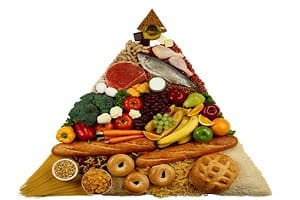
One look at the new image and you’ll see a slab of steak and wedge of cheese in the most prominent spot at the top. A lot of our patients, especially those with or at risk for heart disease, are confused because it conflicts with long-standing advice to limit those foods. The American Heart Association’s guidelines say to keep saturated fats under 10%, which would be difficult if we consume red meat and full-fat dairy daily. Instead, it’s best to stick to the American Heart Association’s recommendation to rely on plant-based proteins, seafood, and other lean meats.Are low-fat diets a thing of the past?
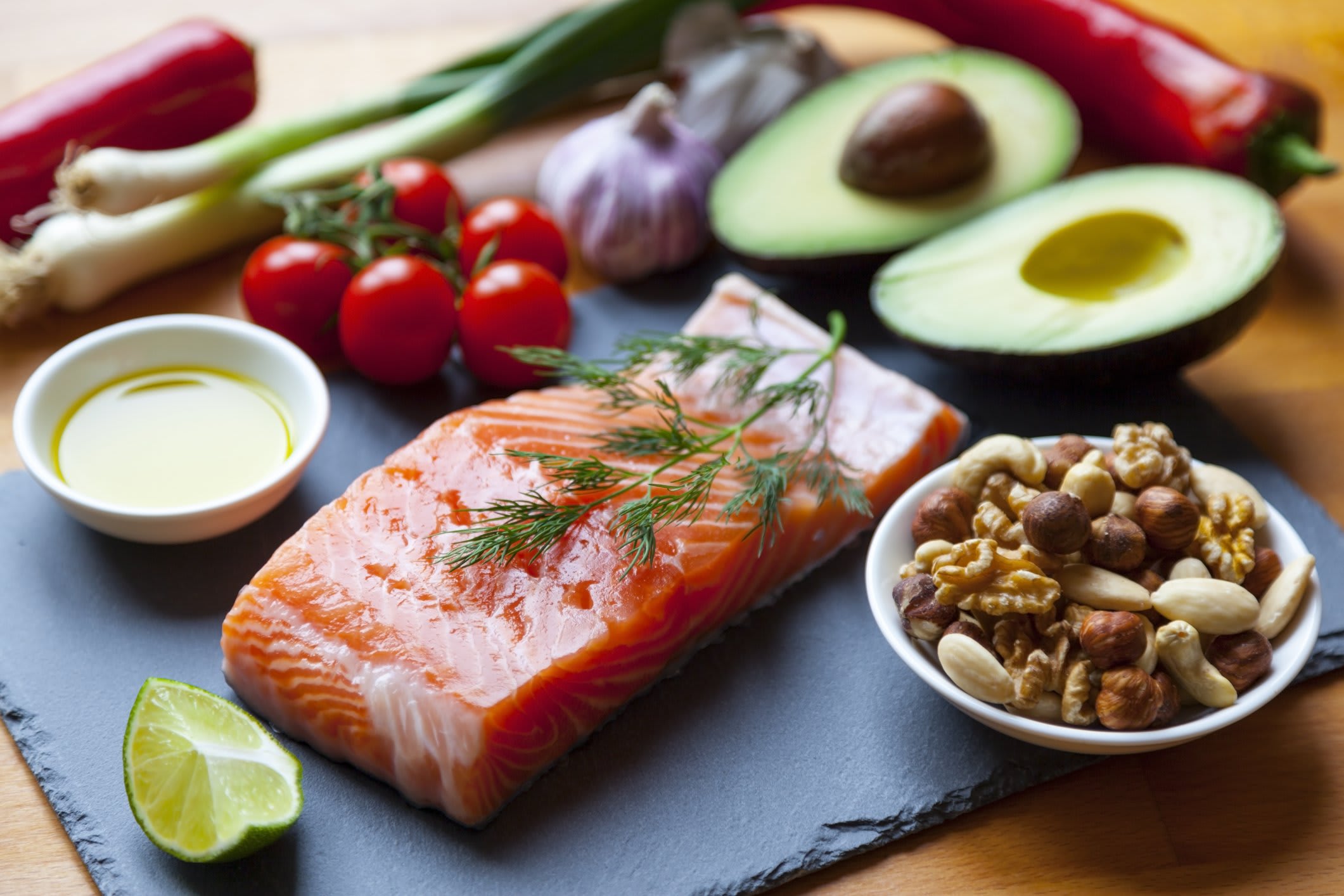
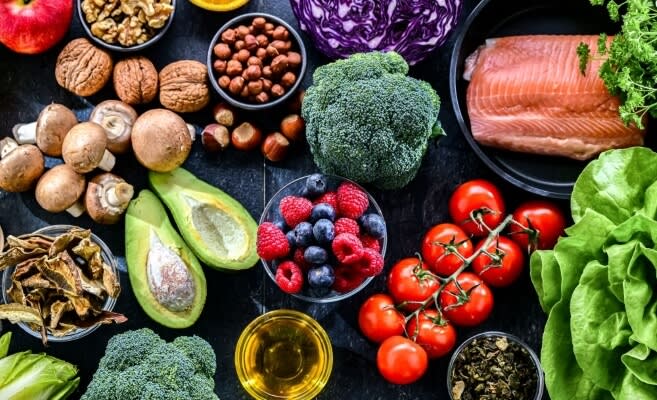
A major point of the new pyramid is the idea that we should embrace healthy fats, primarily monounsaturated and polyunsaturated fats, from whole-food sources like avocados, olive oil, fish, and nuts.The positive is that the guidelines are prioritizing natural, unprocessed foods, but one concern is the guideline to consume only full-fat dairy. While children between the ages of 1-2 need whole milk dairy products, low fat is for kids, teens and older adults. Some fat-free dairy products can have fillers, like carageenan, guar gum, food starch, sugar, and milk solids. Looking at the ingredients list is a simple way to see if a product has these additives, so choosing 1% over 0% can be a way to have a low-fat product that is purer and a better choice for the same amount of calcium as their whole-fat counterparts.
Also, these guidelines only emphasize cow’s milk and not plant-based products that are just as beneficial in terms of calcium, like soy milk and almond milk. More than one-third of Americans are naturally lactose intolerant, so the guidelines are missing a huge chunk of the population.
The updated guidelines urge Americans to eat foods in their natural forms versus packaged or man-made options, which is a huge positive. Ultraprocessed foods are a driver of chronic illness and disease, including cancer, diabetes, and heart disease. Oftentimes they contain added sugars which can lead to inflammatory conditions like diabetes or insulin resistance.
How much protein should we aim for each day?
Another positive from the new guidelines is the increase of our protein goal from around 0.8 to 1.0 grams per kilogram of body weight to 1.2 to 1.6 grams. Adding protein to our plates helps us feel full more efficiently so that we won’t crave sugars or processed foods. Protein also helps build and repair tissue (including muscle), helps regulate hormones, and is essential for growth.With that said, though, labels that tout “added protein” are often processed foods. We’re not pushing protein shakes or saying to reach for any food that has a boost of protein. Instead it’s about incorporating more whole-food protein choices into your meals on a consistent basis.
Are whole grains less important now?
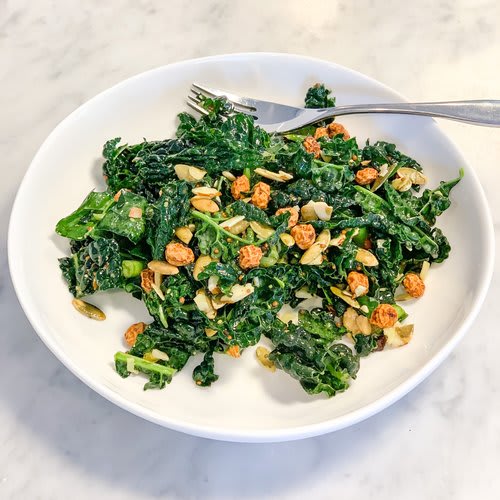
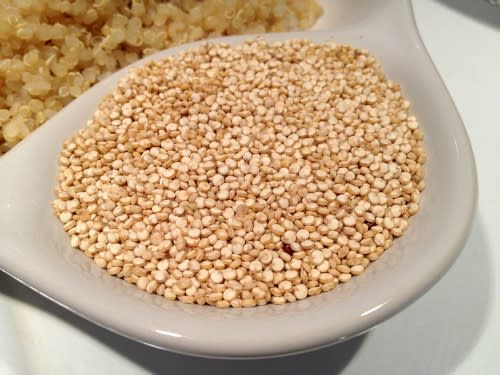
The new guidelines point out that we should choose whole grains over refined grains, but their placement at the bottom of the pyramid is troubling. Without whole grains, we miss a lot of nutrients including fiber, which helps reduce cholesterol and balance sugar.To get your fill of fiber (around 25 grams per day), be careful of reaching for foods with added fiber. These, like those boosted with protein, are considered ultraprocessed since it’s not from the natural source. Instead, try to incorporate legumes, chia seeds, flax seeds, pumpkin seeds, or nuts which have a lot of fiber and are whole foods.
As with any version of the food pyramid or guidelines, use them as a starting point for a discussion with your primary care provider or registered dietitian. Working together, you can strike a healthy balance that’s best for your body and lifestyle.
Featured Expert/ Author