


Exercise & Sports Cardiology
Athletes of all abilities can benefit from the expertise of our sports cardiology program. Reach out to our team today to be evaluated in the first and only sports cardiology program in Fairfield County, CT.
What Is Sports Cardiology?
Sports cardiology is a specialized field of cardiovascular medicine that focuses on the heart health of athletes and highly active individuals across all ages and performance levels, including competitive, recreational, and tactical athletes. This subspecialty addresses the unique cardiovascular challenges encountered in athletic populations, from diagnosing normal exercise-related heart issues to managing cardiovascular conditions in those who wish to remain active.
Exercise is one of the most effective ways to keep your heart healthy, however, intense or sustained physical activity may pose a risk to your cardiovascular system. Our highly trained, dedicated sports cardiologist helps athletes and highly active individuals of all abilities through preventative care and treatment of all types of cardiovascular disease.




What To Know About Exercise & Sports Cardiology Services
What To Expect At Your First Sports Cardiology Visit
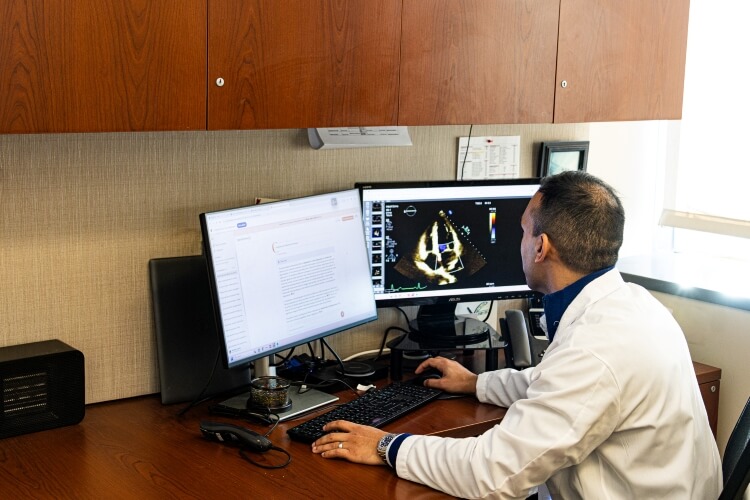
For those who are recovering from a cardiac event or procedure, visits will likely be more frequent so that they can make a safe and healthy return to their preferred sport or activity.
Meet Dr. Mustafa Husaini, Director of Exercise & Sports Cardiology
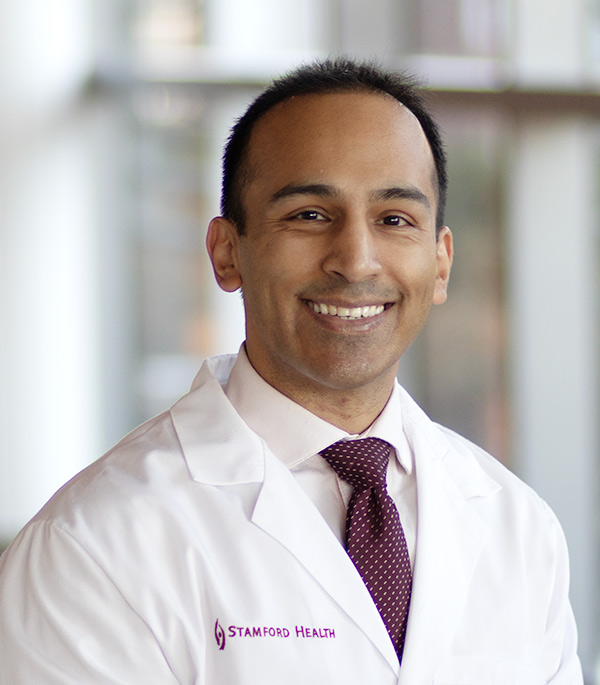
Dr. Mustafa Husaini is a board-certified cardiologist and the director of exercise & sports cardiology at Stamford Health, specializing in hypertrophic cardiomyopathy (HCM), athlete heart evaluation, cardiopulmonary exercise testing (CPET), and cardiovascular prevention. He joins Stamford Health after serving on the faculty at Washington University in St. Louis, where he founded and expanded the institution’s first Sports Cardiology program.
Dr. Husaini brings a unique blend of clinical expertise, academic leadership, and systems-level experience. As a former medical director of a high-risk cardiology unit, he implemented initiatives that improved care quality, efficiency, and clinician education. His approach to care is human-centered and highly individualized. Dr. Husaini takes time to understand each patient’s goals – whether navigating complex conditions like HCM, returning to sport, or optimizing lifelong cardiovascular health. He combines advanced imaging and exercise testing with collaborative, data-informed decision-making to help patients make confident choices.
Meet Dr. Mustafa Husaini, Director of Exercise & Sports Cardiology
Dr. Husaini brings a unique blend of clinical expertise, academic leadership, and systems-level experience. As a former medical director of a high-risk cardiology unit, he implemented initiatives that improved care quality, efficiency, and clinician education. His approach to care is human-centered and highly individualized. Dr. Husaini takes time to understand each patient’s goals – whether navigating complex conditions like HCM, returning to sport, or optimizing lifelong cardiovascular health. He combines advanced imaging and exercise testing with collaborative, data-informed decision-making to help patients make confident choices.
Our Locations

FAQs
-
Who can be seen at the exercise & sports cardiology program at Stamford Health?The Exercise and Sports Cardiology program evaluates all types of athletes, ages 14+, regardless of their fitness level, or competitive status:
Competitive athletes: High school, club, collegiate, and professional athletes who engage in regular, organized competition and systematic training with a focus on excellence and achievement.
Masters athletes: Competitive athletes over 35-40 years of age who continue to train and compete at high levels.
Tactical athletes: Police officers, firefighters, emergency medical services personnel, and military service members who operate under rigorous and dangerous environments where cardiovascular fitness is critical.
Recreational athletes: Active individuals, from "weekend warriors" to those just beginning an exercise program who want to improve their health and enjoy staying active. -
What services does the exercise & sports cardiology program provide?Our comprehensive program offers:
Primary evaluations: Comprehensive assessment to determine if you can safely participate in your sport or career, distinguishing normal exercise-induced cardiac changes from abnormal cardiovascular conditions.
Second opinions: Expert review for those who have been told they have a "red flag" finding on a screening test or examination.
Risk assessment: Full evaluation of risk for sudden cardiac arrest, including advanced testing when indicated.
Symptom evaluation: Investigation of cardiovascular symptoms during or after exercise, including chest pain, lightheadedness, palpitations, passing out, excessive shortness of breath, or unexplained deterioration in performance.
Disease management: Treatment and monitoring of cardiovascular conditions in active individuals, including high blood pressure, diabetes, atrial fibrillation, abnormal heart rhythms, weakened heart muscle, coronary artery blockages, hypertrophic cardiomyopathy, congenital heart disease, and implanted cardiac devices.
Pre-participation screening: Collaborative cardiovascular screening to evaluate and reduce your risk of sudden cardiac arrest, with education on recognition and emergency response.
Return to play/action evaluations: Assessment after a cardiovascular event, surgery, or for previously inactive middle-aged individuals concerned about starting an exercise program. -
Why is cardiovascular screening for athletes important?Sudden cardiac arrest, while rare, is the leading medical cause of death in young athletes. Approximately 1 in 300 young athletes has an underlying cardiac condition that may predispose to sudden cardiac arrest. The most common causes in young athletes include sudden arrhythmic death syndrome, hypertrophic cardiomyopathy, coronary artery anomalies, myocarditis, and arrhythmogenic cardiomyopathy. In athletes over 35 years, coronary artery disease becomes the predominant cause.
Pre-participation cardiovascular screening aims to identify athletes with unrecognized cardiovascular disease to allow individualized management and prevent adverse events. The American Heart Association and American College of Cardiology recommend screening that includes a comprehensive personal and family history and physical examination. When abnormalities are detected, further evaluation with ECG, echocardiography, or advanced imaging may be indicated. -
What symptoms should prompt a sports cardiology evaluation?We recommend seeking an evaluation if you experience any of the following during or after exercise:
- Chest pain or discomfort.
- Lightheadedness or dizziness.
- Heart palpitations or racing.
- Fainting or near-fainting episodes.
- Excessive shortness of breath beyond what's expected for your fitness level.
- Unexplained decline in athletic performance.
- Extreme fatigue associated with exercise.
Additionally, evaluation is recommended if you have a family history of early heart disease or sudden death before age 40-50. -
Can you continue playing sports if you have a heart condition or cardiac diagnosis?Many athletes with cardiovascular conditions can safely participate in sports with appropriate evaluation, treatment, and monitoring. The decision depends on several factors including the specific diagnosis, severity of the cardiac condition, presence of symptoms, risk of sudden cardiac arrest, and the type and intensity of sport.
For example, recent evidence shows that low-risk individuals with hypertrophic cardiomyopathy can participate in competitive sports after comprehensive evaluation and shared decision-making with expert providers. Similarly, athletes with controlled high blood pressure, treated arrhythmias, or certain congenital heart conditions can safely participate in sports after a shared decision-making process with their sports cardiologist and medical team.
The key is individualized assessment by exercise and sports cardiology experts who understand both the cardiovascular demands of your specific sport and how to distinguish normal athletic heart adaptations from pathological changes. -
What should you expect during a sports cardiology evaluation?A comprehensive sports cardiology evaluation is different for every patient, but it typically includes:
- Detailed personal and family medical history.
- Physical examination focused on cardiovascular assessment.
- Review of any previous testing or diagnoses.
- Electrocardiogram (ECG) interpreted using athlete-specific criteria.
- Echocardiography or other imaging when indicated.
- Exercise stress testing tailored to your specific sport.
- Additional specialized testing based on your individual situation.
-
How do you schedule an appointment with the Exercise & Sports Cardiology program at Stamford Health?Call 203.276.2602 to schedule a comprehensive evaluation. Whether you're a competitive athlete, tactical professional, or recreational exerciser, our team of experts is dedicated to helping you participate safely in the activities you love while optimizing your cardiovascular health.