


Thoracic Surgery
We’re here to help.
Our Approach
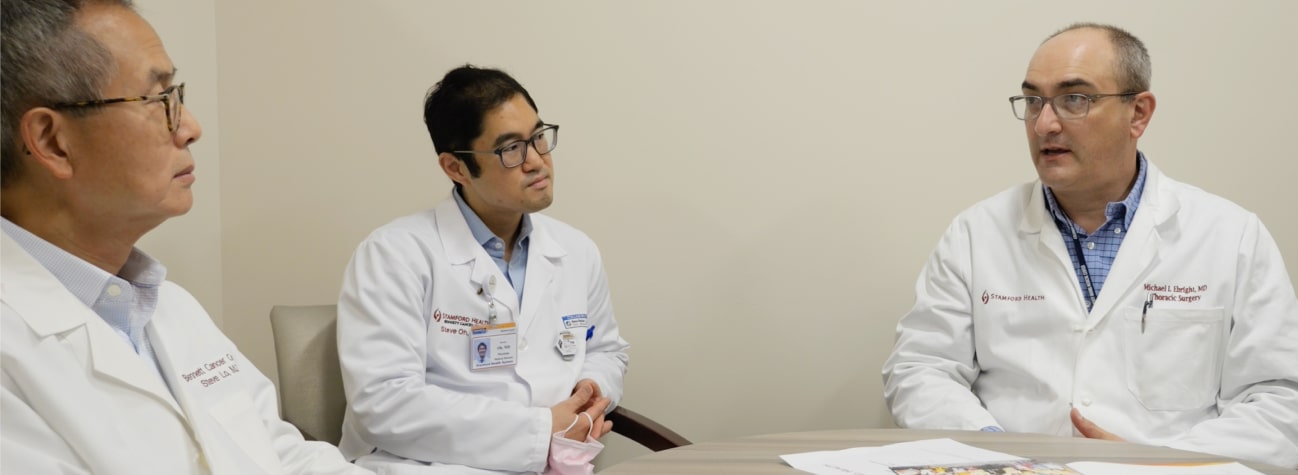
Stamford Health’s thoracic surgery department emphasizes a team approach when developing your treatment plan. We work closely with colleagues from pulmonology, gastroenterology, radiology, pathology, and both medical and radiation oncology to make sure your needs are fully met.


Unique Benefits Of Our Program
Our team utilizes the latest technology, research, and minimally invasive surgery methods to offer world-class care, closer to home.
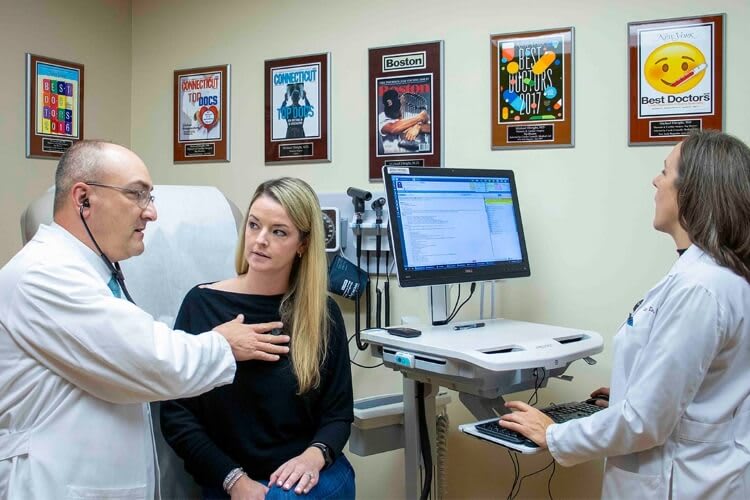
THOROUGH PERSONALIZED CARE
All lab samples are reviewed by our MD Anderson and Yale-trained pathologists, and all necessary genetic testing is performed. We also offer second opinions frequently and are happy to coordinate the transfer of medical records.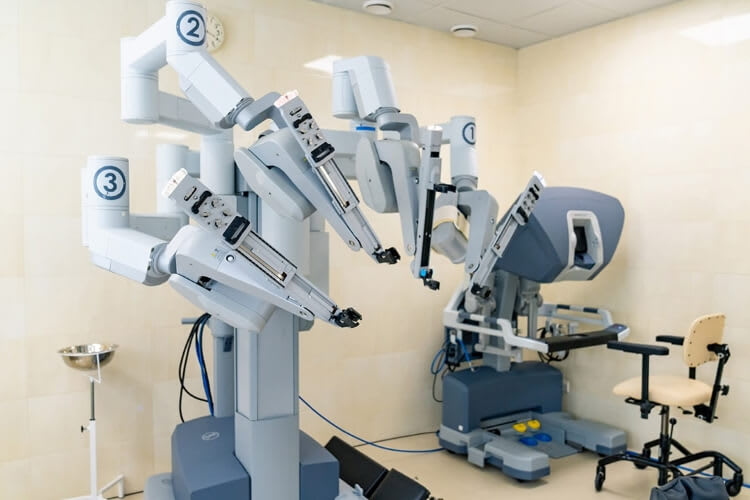
MINIMALLY INVASIVE SURGERIES
We perform over 95% of operations in a minimally invasive format, either robotic or video-assisted, reducing the time it takes to reach a full recovery.
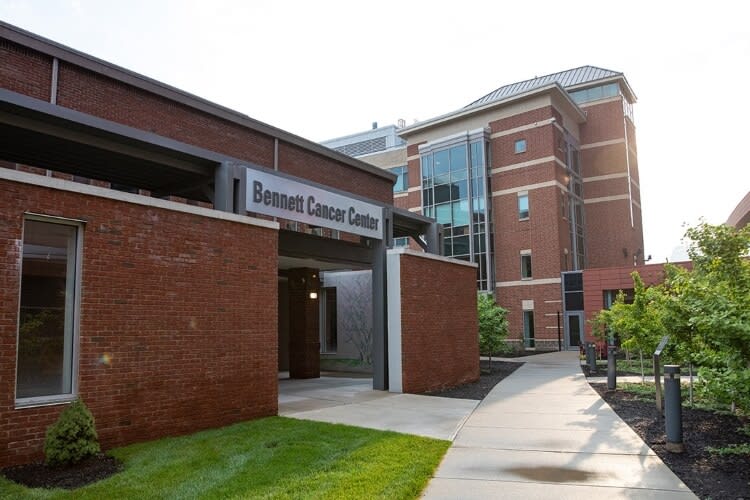
ROBUST ONCOLOGY PROGRAM
As part of the Dana-Farber Brigham Cancer Center collaborative, we have greater access to clinical trials and expertise from one of New England’s most prestigious cancer centers.Unique Benefits Of Our Program
Our team utilizes the latest technology, research, and minimally invasive surgery methods to offer world-class care, closer to home.
THOROUGH PERSONALIZED CARE
All lab samples are reviewed by our MD Anderson and Yale-trained pathologists, and all necessary genetic testing is performed. We also offer second opinions frequently and are happy to coordinate the transfer of medical records.MINIMALLY INVASIVE SURGERIES
We perform over 95% of operations in a minimally invasive format, either robotic or video-assisted, reducing the time it takes to reach a full recovery.ROBUST ONCOLOGY PROGRAM
As part of the Dana-Farber Brigham Cancer Center collaborative, we have greater access to clinical trials and expertise from one of New England’s most prestigious cancer centers.What High-Tech Means For You
-
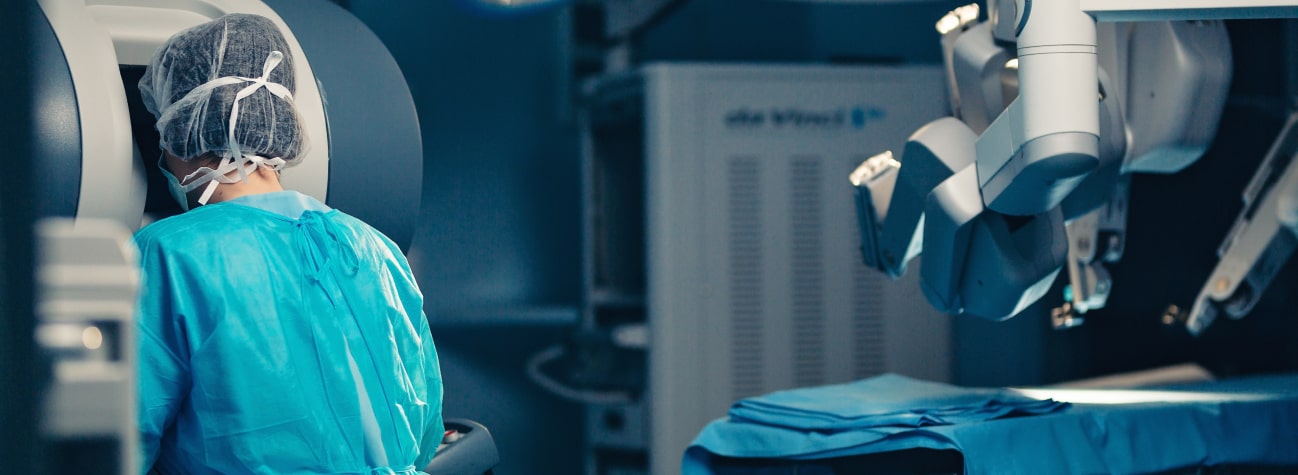
Robotic-Assisted Surgery
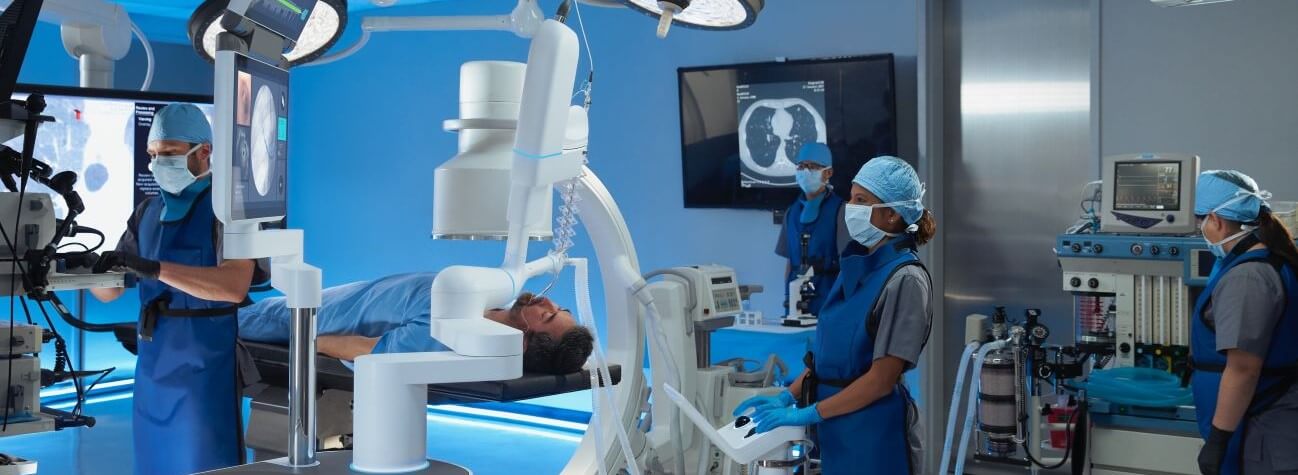
The majority of thoracic surgeries are minimally invasive procedures with the help of robotics. When appropriate, the surgeon uses a device with a camera to control robotic arms that hold tiny surgical tools. The robotic arms can bend and turn in more ways than human hands, allowing for better precision.


Conditions We Treat
Thoracic surgery focuses on caring for people with conditions affecting the chest including the lungs, esophagus, diaphragm, and chest wall. Here are some of the conditions we treat.
-
Achalasia and esophageal motility disordersAchalasia and esophageal motility disordersConditions where the esophagus has trouble moving food into the stomach. This can cause difficulty swallowing, chest discomfort, or food coming back up.
-
Benign esophageal tumors (leiomyoma)Non-cancerous growths in the esophagus that usually grow slowly. They often don’t cause symptoms but can lead to trouble swallowing if they get large.
-
Bullous lung diseaseA condition where large air-filled spaces (bullae) form in the lungs and can reduce normal breathing function. These can sometimes burst and cause a collapsed lung.
-
Carcinoid tumor of lungA rare type of slow-growing lung tumor that can sometimes affect hormone levels.
-
Chest wall tumorA growth in the muscles, bones, or tissues of the chest wall. These can be benign or cancerous and may cause a visible lump or pain.
-
Congenital pulmonary malformationsLung abnormalities present from birth that affect how the lungs develop. Some people have no symptoms, while others may have breathing problems or infections.
-
Diaphragm paralylsisA condition where the diaphragm (a key breathing muscle) does not move properly. This can make breathing feel harder, especially when lying down.
-
Esophageal cancerCancer that forms in the esophagus, often causing difficulty swallowing, weight loss, and chest discomfort. Early detection is important for successful treatments.
-
Esophageal diverticulaPouches that form in the wall of the esophagus where food can get trapped. This may lead to swallowing problems or regurgitation.
-
Gastroesophageal reflux disease (GERD)A common condition where stomach acid frequently flows back into the esophagus, causing heartburn and irritation. Stamford Health’s Heartburn, Reflux & Esophageal Specialty Center provides a multidisciplinary center together to treat these complex problems.
-
Hiatal hernia/paraesophageal herniaConditions where part of the stomach pushes up into the chest through the diaphragm. This can cause reflux, chest discomfort, or swallowing issues.
-
HyperhidrosisExcessive sweating beyond what is needed to regulate body temperature. It can affect the hands, feet, underarms, or face.
-
Interstitial lung diseaseA group of conditions that cause scarring and inflammation in the lungs. This makes it harder to breathe and get enough oxygen.
-
Lung cancerA serious disease where abnormal cells grow uncontrollably in the lungs. Common symptoms include coughing, shortness of breath, and chest pain.
-
Lung noduleA small spot or lump in the lung often found on imaging scans. Most are harmless, but some may need monitoring to rule out cancer. Stamford Health offers a Lung Nodule Clinic for personalized care.
-
Mediastinal cysts (bronchogenic, pericardial, esophageal)Fluid-filled sacs that develop in the space between the lungs. They are usually benign but can cause symptoms if they press on nearby structures.
-
Mediastinal germ cell tumorsTumors that arise from germ cells in the chest area. They can be benign or cancerous and may affect nearby organs.
-
MesotheliomaA rare cancer usually linked to asbestos exposure that affects the lining of the lungs. It often causes chest pain and difficulty breathing.
-
Myasthenia gravisAn autoimmune condition that causes muscle weakness, especially in the eyes, face, and throat. Symptoms often get worse with activity and improve with rest.
-
Neurogenic tumorsTumors that grow from nerves, often found in the chest near the spine. Many are benign, but some can be cancerous.
-
Pectus excavatumA condition where the breastbone sinks inward, giving the chest a sunken appearance. In severe cases, it can affect heart and lung function. Learn more about Stamford Health’s Chest Wall Program.
-
Pleural effusionA buildup of fluid around the lungs that can make it hard to breathe. It can be caused by infections, heart problems, or cancer.
-
Pulmonary metastasesCancer that has spread to the lungs from another part of the body. Treatment depends on the original cancer type.
-
Spontaneous pneumothoraxA sudden collapse of a lung when air leaks into the space around it. It often causes sudden chest pain and shortness of breath.
-
Substernal goiterAn enlarged thyroid gland that grows down into the chest. It can press on the airway or esophagus and cause breathing or swallowing problems.
-
Thoracic outlet syndromeA condition where nerves or blood vessels are compressed in the upper chest/shoulder area. This can cause pain, numbness, or swelling in the arms.
-
Thymoma and thymic carcinomaTumors of the thymus gland located in the chest. Thymomas are usually slower growing, while thymic carcinomas are more aggressive.
-
Tracheal stenosisNarrowing of the windpipe (trachea) that makes breathing difficult. It can result from injury, inflammation, or prior intubation.
-
Tracheal tumorsGrowths in the windpipe that can block airflow. These can be benign or cancerous and often cause coughing or breathing problems.
-
TracheobronchomalaciaA condition where the airway walls are weak and collapse more easily when breathing. This can lead to coughing, wheezing, and shortness of breath.
A Message From Our Director, Dr. Michael Ebright
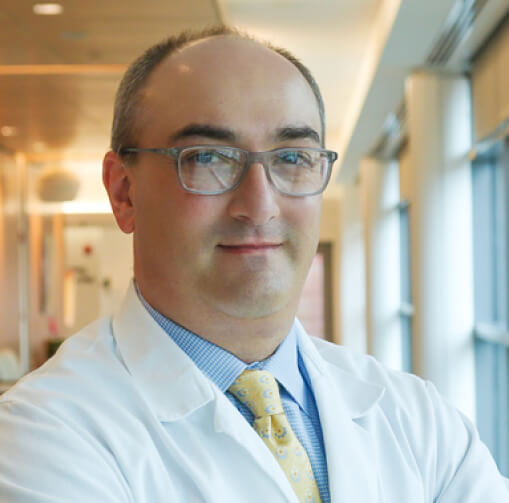
The division of thoracic surgery at Stamford Health provides state-of-the-art care for patients with diseases of the chest including lung, esophagus, diaphragm, thymus, and chest wall disorders. We are genuinely aware that there is often a high level of anxiety for patients and their families, which is why we strive to minimize the time from consultation to diagnosis to treatment.
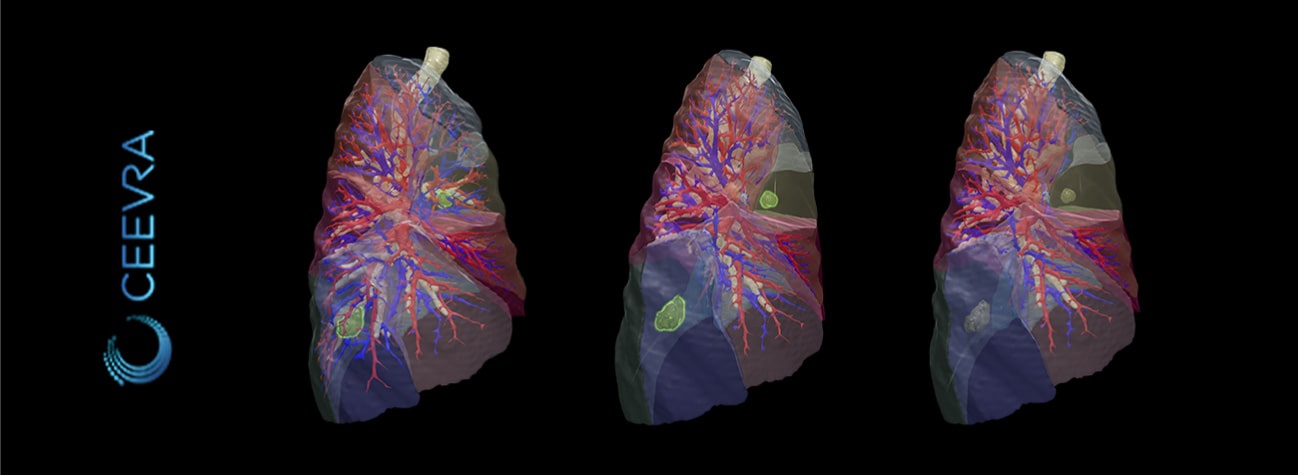
We are always striving to advance our capabilities with new technology and recently partnered with Ceevra, an imaging technology that creates advanced 3D models; and Cytalux, the only FDA-approved fluorescent imaging technology, to help a surgeon visualize cancer in real time. We also recently placed the first self-expanding metallic Y stent in the state. This new technology is used for the treatment of tracheobronchial strictures due to cancer and is an exciting advancement in thoracic care.
- Michael Ebright, MD
Director, Thoracic Surgery
Chair, Department of Surgery
Associate Clinical Professor of Surgery, Columbia University Medical Center
Attending Surgeon, New York - Presbyterian
LEARN MORE ABOUT DR. EBRIGHT
Meet Our Providers
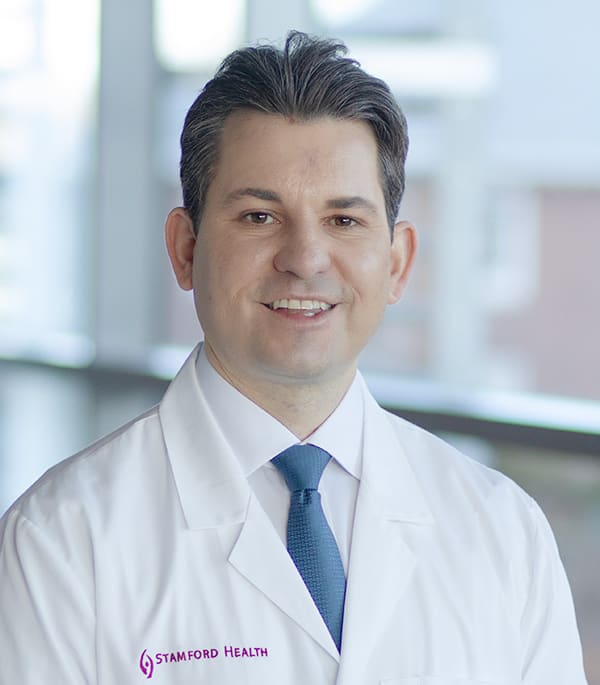


Thoracic Surgery FAQs
-
What conditions does thoracic surgery cover, and how do you know if you’re a candidate for these procedures?Thoracic surgery addresses a spectrum of conditions involving the chest, lungs, and esophagus. If you’re experiencing symptoms such as persistent chest pain, difficulty breathing, or swallowing issues, you may be a candidate. A thorough evaluation by our expert thoracic surgeons will determine the most suitable treatment plan for your specific condition.
-
How do you know if you need thoracic surgery?Persistent symptoms like chronic cough, lung nodules, or esophageal disorders may indicate a need for thoracic surgery. To determine if surgery is necessary, consult with our experienced thoracic surgeons. Through comprehensive evaluations and diagnostic tests, we’ll work collaboratively with you to make informed decisions about your treatment plan.
-
How can you schedule a consultation with a thoracic surgeon at Stamford Health?Scheduling a consultation is simple. You can initiate the process by obtaining a referral from your primary care physician or by contacting our thoracic surgery department directly at 203.276.4404. Our team is dedicated to ensuring a seamless and timely appointment process, providing you with the expert care you deserve.
-
What should you expect during a thoracic surgery consultation, and how can you prepare for it?During a thoracic surgery consultation, expect a thorough discussion of your medical history, symptoms, and diagnostic test results. To prepare, bring a list of medications, past surgeries, and any relevant medical records. Open communication is key, allowing our thoracic surgeons to tailor a treatment plan that best meets your individual needs.
-
How long is the recovery period for thoracic surgeries, and what postoperative care can you expect?
Recovery periods vary based on the specific thoracic surgery. Our team will provide you with clear postoperative care instructions, encompassing pain management, activity restrictions, and any prescribed medications. Support during the recovery process is readily available to ensure your comfort and successful rehabilitation.
-
Can you get a second opinion from a thoracic surgeon at Stamford Health?Absolutely. We understand the importance of exploring all options. Obtaining a second opinion is a straightforward process. Our thoracic surgeons collaborate with you, your primary care physician, and any additional specialists, ensuring a comprehensive understanding of your unique case.
-
Is Stamford Health equipped to handle emergency thoracic surgeries?Stamford Health is fully equipped and prepared to handle emergency thoracic surgeries. Our skilled thoracic surgeons and dedicated medical staff are trained to respond promptly to urgent situations, providing the highest level of care when it’s needed most.
-
Is Stamford Health involved in any thoracic surgery research or clinical trials?Yes, Stamford Health is at the forefront of thoracic surgery advancements. We actively participate in research initiatives and clinical trials, embracing innovative technologies to continually enhance patient care. Explore our ongoing research efforts and clinical trials on our clinical trials page.