


The flu is here. In recent weeks, we’ve noticed in upward trend in influenza A in Connecticut. Nationally, the Centers for Disease Control & Prevention have reported a rise in pediatric flu cases. Every flu season is different and it’s hard to predict what to expect. While flu is on the rise, COVID-19 and RSV rates remain low in the Northeast.
Here are a few things to keep in mind.
If you suspect you have the flu, stay home and avoid contact with other people until you’re fever-free (without medication) for 24 hours. Remember to hydrate and try to rest.
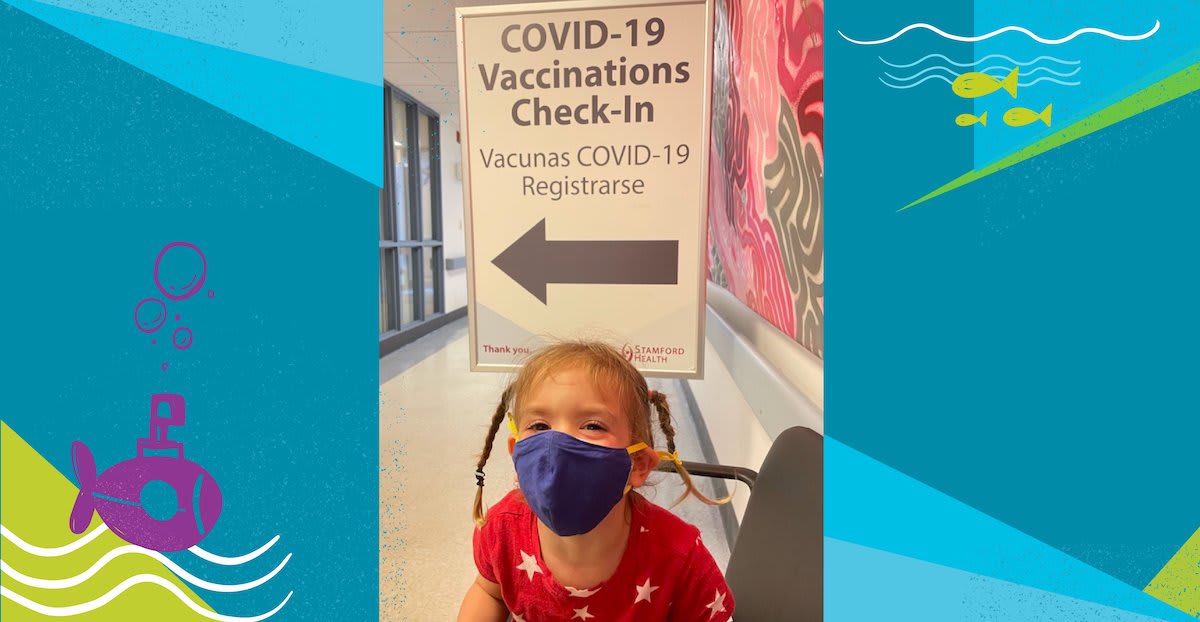
And if you haven’t gotten your flu shot yet, now is a great time! Getting vaccinated is one of the best tools to prevent severe illness from the flu. Stamford Health offers the flu vaccine at all Walk-In Centers and primary care offices. You can schedule your flu vaccine in MyChart today.
Here are a few things to keep in mind.
What to know about this year’s flu season:
A new strain of influenza A caused recent outbreaks in Canada, the U.K., and Japan. In mid-November, the head of the U.K.’s National Health Service said flu cases were triple what they were at the same time last year. What does this mean for the U.S.? We should remain vigilant – and try to keep flu at bay by getting vaccinated, frequent handwashing, and staying home when you are sick.Is there a difference between flu A and flu B?
The two most common flu strains are flu A and flu B. Clinically, they are not very different and the symptoms for both flu A and B are very similar. Flu B tends to be seen later in the season, in late winter and early spring. Flu A peaks first. The flu vaccine protects against both flu A and flu B strains. These are the symptoms:- Fever.
- Cough.
- Sore throat.
- Body aches.
- Runny or stuffy nose.
- Headache.
- Diarrhea and nausea.
What to do if you feel sick
If you or your child begins to experience flu symptoms, it’s important to see a health care provider as quickly as you can. Antiviral drugs may be available as a treatment option in certain patients; these medications can make illness milder and shorten the time you are sick. If antiviral treatment is indicated, it is most effective when started early, ideally within the first two days after flu symptoms begin.If you suspect you have the flu, stay home and avoid contact with other people until you’re fever-free (without medication) for 24 hours. Remember to hydrate and try to rest.
And if you haven’t gotten your flu shot yet, now is a great time! Getting vaccinated is one of the best tools to prevent severe illness from the flu. Stamford Health offers the flu vaccine at all Walk-In Centers and primary care offices. You can schedule your flu vaccine in MyChart today.
























































































)