

By Christine Silkowitz, RD, CDN, Registered Dietitian and Certified Dietitian Nutritionist
In our world of jam-packed schedules, ever-growing to-do lists, and rising costs of, well, everything, it’s easy to choose convenience over nutrition when it comes to food choices. Driving through a fast-food chain is clearly quicker than making a home-cooked meal. But while you’re saving time, you may be wreaking havoc on your health.
As a registered dietitian at Stamford Health, my goal is to help patients strike a healthy balance of foods in their diets. We love the word “moderation” because when you focus mostly on good-for-you food choices with occasional splurges, you are prioritizing your health.
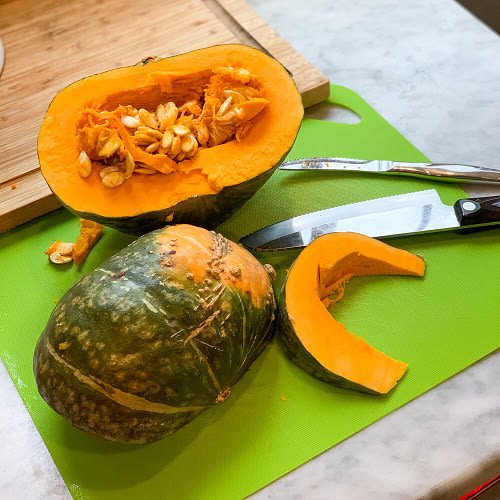
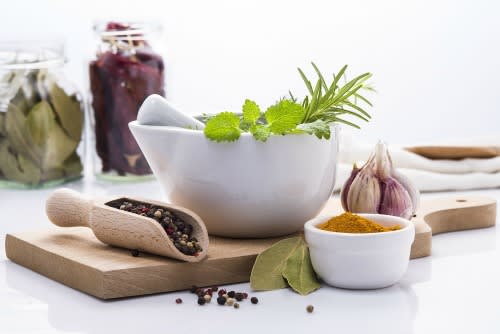
Think of a potato: when you pick one up at the store, it’s the same as it is in nature. If you cut it, add some olive oil and spices, and roast it for a dinner side dish, it becomes processed. When a food manufacturer adds preservatives, refined oils, and artificial flavoring to produce a potato chip, it is an ultra-processed food.
A general rule of thumb for spotting them: if you find ingredients that are hard to pronounce or not typically used in home cooking on the nutrition label, it’s likely ultra-processed.
Studies show that people who typically eat more ultra-processed foods tend to have a higher risk of cancer, diabetes, and heart disease. Those foods also may lead to digestion issues and an increased risk of gastrointestinal cancers because they usually have less fiber than their minimally processed counterparts.
Now, new findings show that consuming ultra-processed foods is linked with a higher incidence of colorectal polyps, the growths that can lead to cancer.
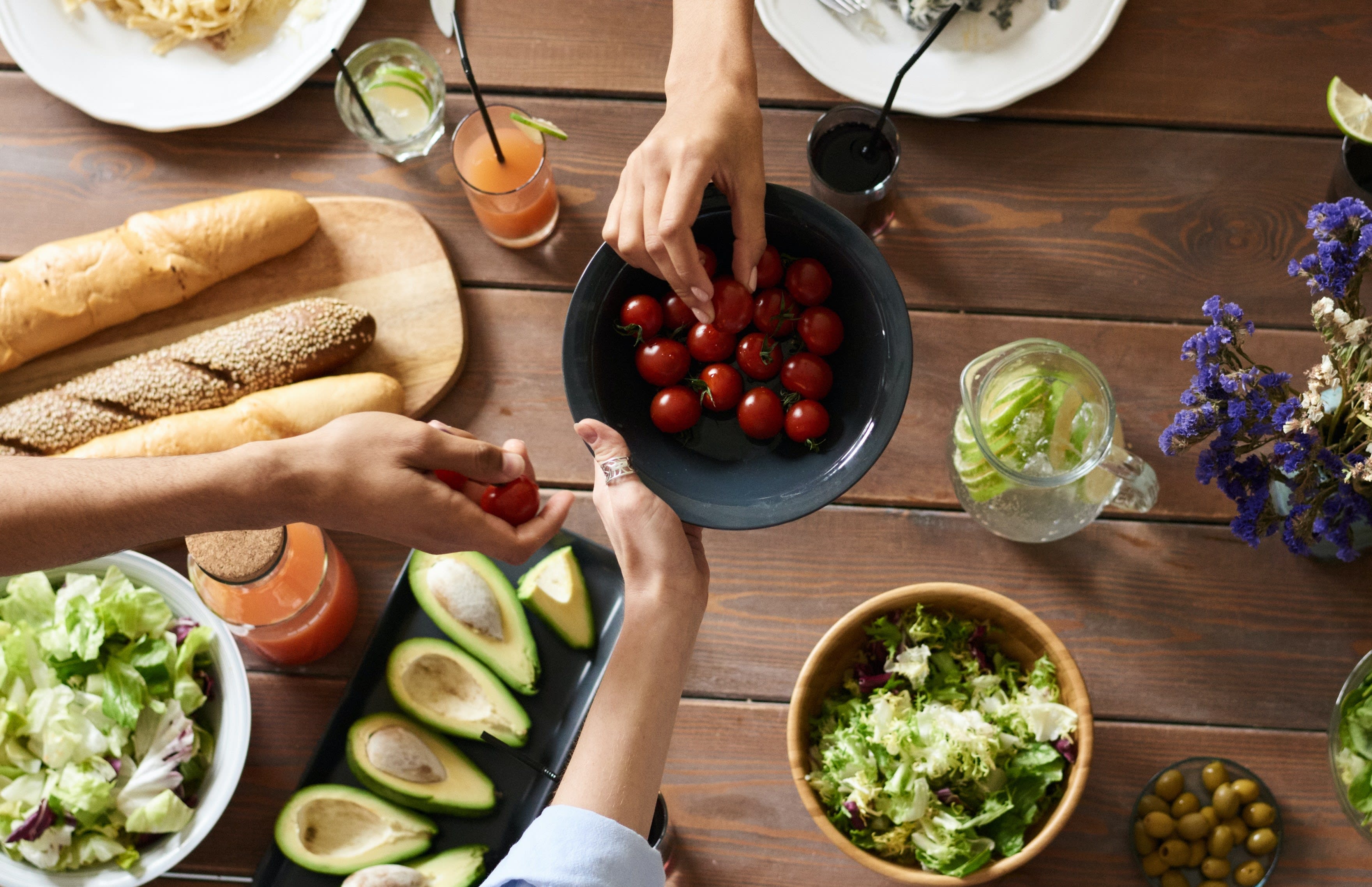
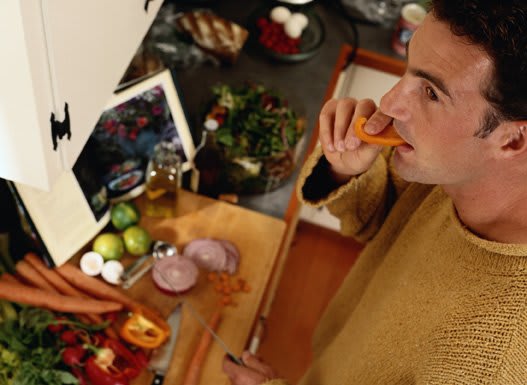
Consuming fewer ultra-processed foods doesn’t have to be a daunting task. Start by asking yourself if it’s possible to cook at home a few more times a week than you usually do. Or think about whether you can prepare foods at home for on-the-go meals to avoid fast-food options.
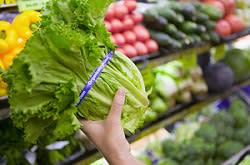
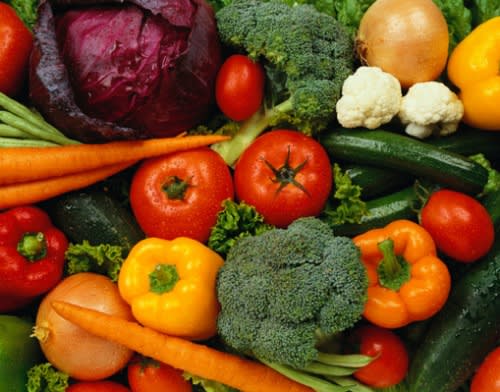
When you’re grocery shopping, opt for minimally processed foods. If fresh fruits and vegetables aren’t in season or the budget, head to the frozen aisle. Cut produce that’s already bagged can save you time during meal prep without sacrificing nutrients.
Also, think about beverages. Try to avoid processed drinks like soda or energy drinks – that goes for some of the sugar-free options too. Studies suggest that artificially sweetened beverage options can increase your craving for sweets. Instead, reach for water and add a slice of lemon or orange for a hint of flavor.
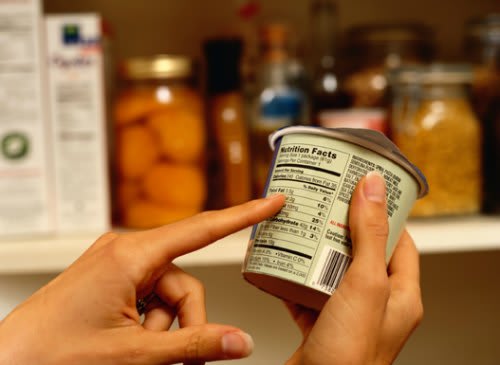
And don’t forget to look at the nutrition label so you can avoid foods with added sugar or salt. If you read through the ingredient list and have a tough time pronouncing what’s on there, consider putting it back on the shelf.
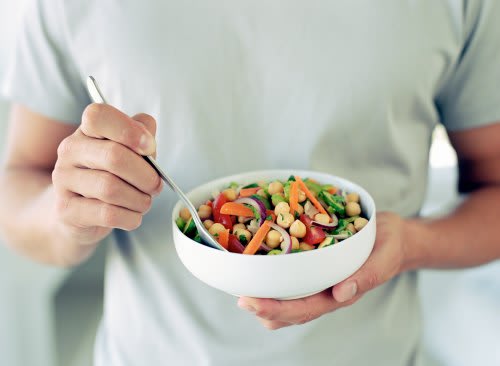
If you have to eat prepared foods for convenience, your health doesn’t have to suffer. Taking a few minutes to plan for healthier options can make all the difference when it comes to nutrition.
In our world of jam-packed schedules, ever-growing to-do lists, and rising costs of, well, everything, it’s easy to choose convenience over nutrition when it comes to food choices. Driving through a fast-food chain is clearly quicker than making a home-cooked meal. But while you’re saving time, you may be wreaking havoc on your health.
As a registered dietitian at Stamford Health, my goal is to help patients strike a healthy balance of foods in their diets. We love the word “moderation” because when you focus mostly on good-for-you food choices with occasional splurges, you are prioritizing your health.
How To Identify Ultra-Processed Foods
Processed foods get a bad rap, but not all processed foods are unhealthy. Processed food can be as simple as diced onions or sliced zucchini. It’s more important to be aware of what additional ingredients are being added to the foods.Think of a potato: when you pick one up at the store, it’s the same as it is in nature. If you cut it, add some olive oil and spices, and roast it for a dinner side dish, it becomes processed. When a food manufacturer adds preservatives, refined oils, and artificial flavoring to produce a potato chip, it is an ultra-processed food.
A general rule of thumb for spotting them: if you find ingredients that are hard to pronounce or not typically used in home cooking on the nutrition label, it’s likely ultra-processed.
Are Ultra-Processed Foods Bad For You?
As with most things, this isn’t an all-or-nothing issue. Yes, the more added fats, sugars, and salt, the more processed and unhealthier a food becomes. But some foods are enriched with essential vitamins and minerals, and those can improve our health in some situations. For example, some cereals are fortified with iron, and dairy goes through pasteurization to make it safer for us to consume.Studies show that people who typically eat more ultra-processed foods tend to have a higher risk of cancer, diabetes, and heart disease. Those foods also may lead to digestion issues and an increased risk of gastrointestinal cancers because they usually have less fiber than their minimally processed counterparts.
Now, new findings show that consuming ultra-processed foods is linked with a higher incidence of colorectal polyps, the growths that can lead to cancer.
How To Avoid Ultra-Processed Foods
In a perfect world, we’d cook our own meals full of nutritious, minimally processed foods. If that seems like a lofty goal, you’re not alone. The Centers for Disease Control and Prevention estimates that ultra-processed foods make up more than half of adults’ daily caloric intake and more than 60% of children's.Consuming fewer ultra-processed foods doesn’t have to be a daunting task. Start by asking yourself if it’s possible to cook at home a few more times a week than you usually do. Or think about whether you can prepare foods at home for on-the-go meals to avoid fast-food options.
When you’re grocery shopping, opt for minimally processed foods. If fresh fruits and vegetables aren’t in season or the budget, head to the frozen aisle. Cut produce that’s already bagged can save you time during meal prep without sacrificing nutrients.
Also, think about beverages. Try to avoid processed drinks like soda or energy drinks – that goes for some of the sugar-free options too. Studies suggest that artificially sweetened beverage options can increase your craving for sweets. Instead, reach for water and add a slice of lemon or orange for a hint of flavor.
And don’t forget to look at the nutrition label so you can avoid foods with added sugar or salt. If you read through the ingredient list and have a tough time pronouncing what’s on there, consider putting it back on the shelf.
If you have to eat prepared foods for convenience, your health doesn’t have to suffer. Taking a few minutes to plan for healthier options can make all the difference when it comes to nutrition.
Featured Expert/ Author