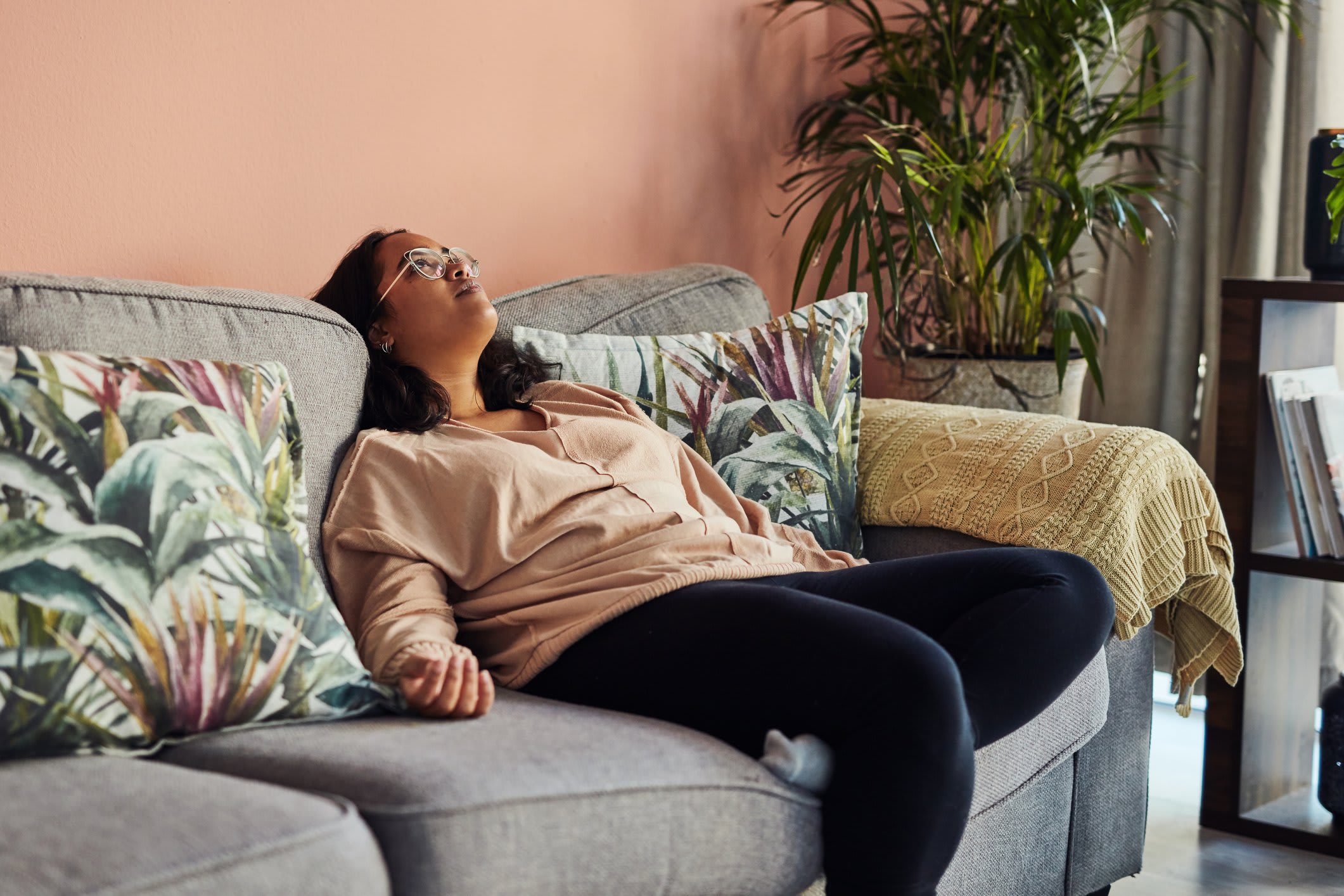


It’s OK to admit it: Sometimes we want to just stay home. When there’s a chill in the air and a cozy couch calling, the idea of heading out can be too much to ask.
The good news is that there are quite a few health benefits to ditching those plans in order to Netflix and chill. Enter hygge, the Danish concept of coziness that’s gained traction in recent years. (If you need a refresher, may we suggest a listen to “Hygge” from Frozen: The Broadway Musical.)
Grab your fuzzy slippers, put on a cup of tea, and keep reading to learn why it’s a healthy idea to hygge out this winter.
And with no elaborate dessert menu, you’re not as tempted to go overboard with post-meal sweets. Too much sugar can boost blood pressure and may lead to Type 2 diabetes, cardiovascular disease, and weight gain.
If your home bar is as well-stocked as the neighborhood joint’s, keep an eye on those pours. It’s easier to overserve ourselves at home, so it’s best to stick to expert recommendations of two drinks a day for men and one for women.
Or, an even better option is to abstain altogether and try a zero-proof option instead.
The good news is that there are quite a few health benefits to ditching those plans in order to Netflix and chill. Enter hygge, the Danish concept of coziness that’s gained traction in recent years. (If you need a refresher, may we suggest a listen to “Hygge” from Frozen: The Broadway Musical.)
Grab your fuzzy slippers, put on a cup of tea, and keep reading to learn why it’s a healthy idea to hygge out this winter.
Home cooks make the healthiest cooks.
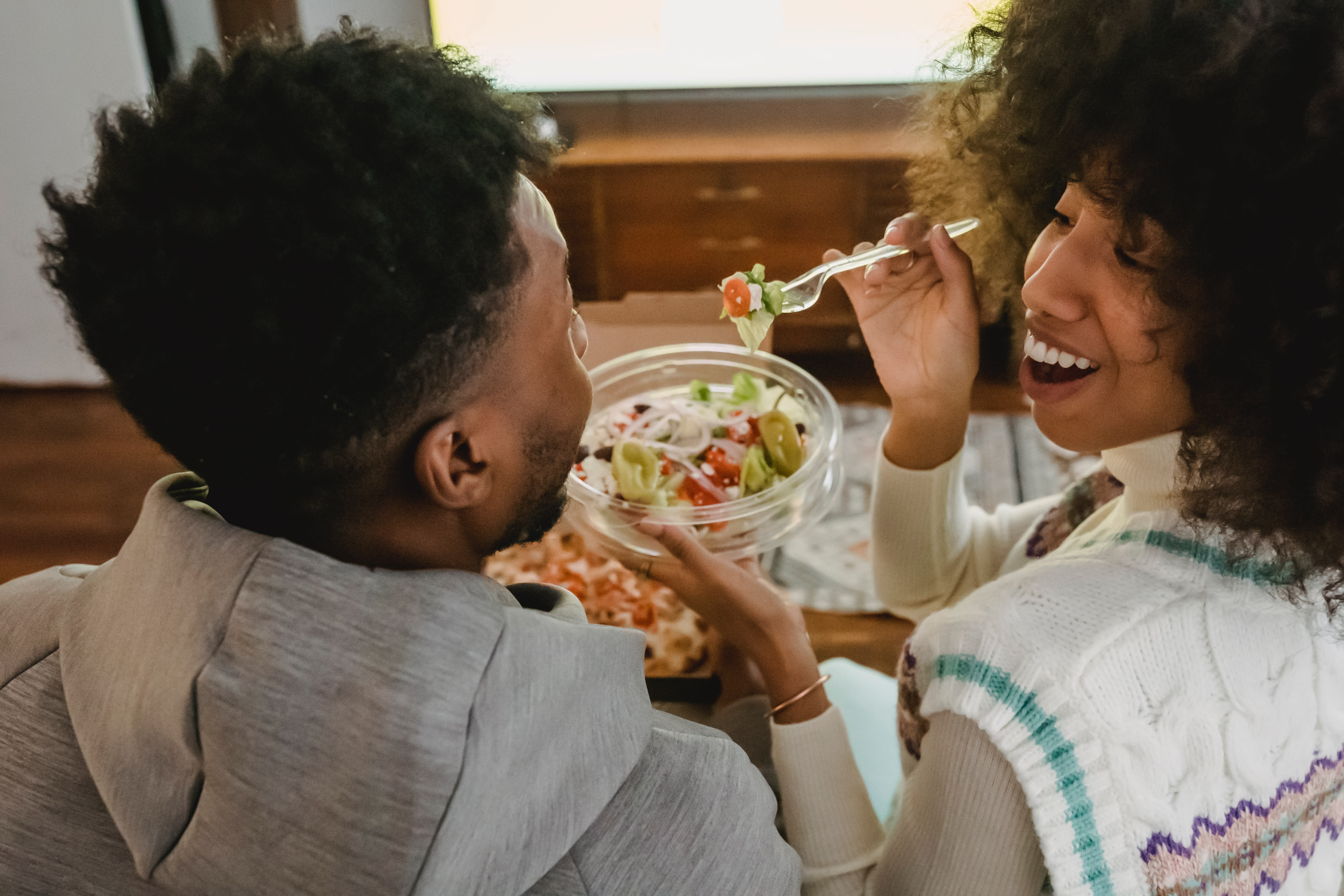
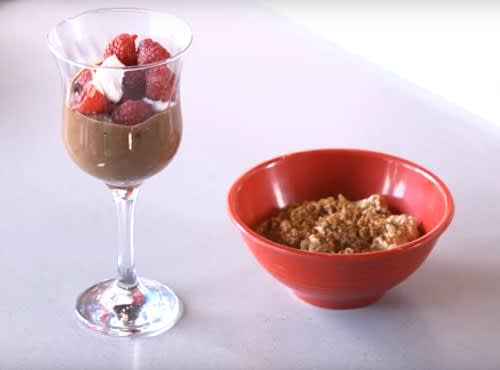
While not as convenient, a home-cooked meal has the health advantage against a restaurant meal. Research has shown that those who prepare most of their meals at home are at a reduced risk for Type 2 diabetes and heart disease and have less weight gain. After all, as the chef, you’re in control of the amounts of fat, salt, and ultra-processed foods that go onto the plate.And with no elaborate dessert menu, you’re not as tempted to go overboard with post-meal sweets. Too much sugar can boost blood pressure and may lead to Type 2 diabetes, cardiovascular disease, and weight gain.
You snooze, you win.
It’s no secret that adequate sleep can boost your health on all levels including memory, mood, heart health, and metabolism. And since you’re already home, there’s ample opportunity to perfect a healthy bedtime routine. Consider shutting off any blue light emitting devices (phones and tablets) an hour ahead, indulging in a relaxing bath, reading a few chapters of a book, and practicing meditation.Virus protection: no mask required.
With the 2025-2026 flu season not showing any signs of slowing down, staying inside offers a convenient way to dodge anyone else’s germs. As long as no one in your home has been exposed (and, if so, is doing their own hygge isolated from others), your immune system can be spared from the flu, cold, and other viruses that are swirling about this winter.Comfort television can be self-care, too.
So you want to watch Crazy Rich Asians for the thousandth time? We’re not judging. In fact, queuing up a movie or show that you can recite in your sleep is actually the television equivalent of comfort food. Studies show that rewatching familiar media content can serve as a brain break (we don’t have to work as hard to follow plotlines and remember characters). It can also calm our mind and boost our mood, especially when we associate positive feelings or memories with that content.Cheers to mindful drinking.
When you’re out to dinner with friends or your partner, it may be natural to order a glass (or two) of wine at dinner. Or indulge in an aperitif and after-dinner cocktail. At home, you may not feel as inclined to have a drink, which can pay off in terms of your health. Alcohol can heavily disrupt your sleep and may increase your risk of heart disease and certain cancers.If your home bar is as well-stocked as the neighborhood joint’s, keep an eye on those pours. It’s easier to overserve ourselves at home, so it’s best to stick to expert recommendations of two drinks a day for men and one for women.
Or, an even better option is to abstain altogether and try a zero-proof option instead.