


Electrophysiology For Heart Rhythm Disorders
How Electrophysiology Helps Cardiac Arrhythmias
We understand how bothersome cardiac arrhythmias (problems related to the heart’s electrical system) can be. Yet, more than merely a nuisance, cardiac arrhythmias can put you at greater risk for stroke and sudden death. That’s why it’s important to find an experienced, compassionate electrophysiologist, a doctor who treats electrical disorders of the heart, to offer the best available treatment options.


What Sets Us Apart
EXPERTS IN AFIB
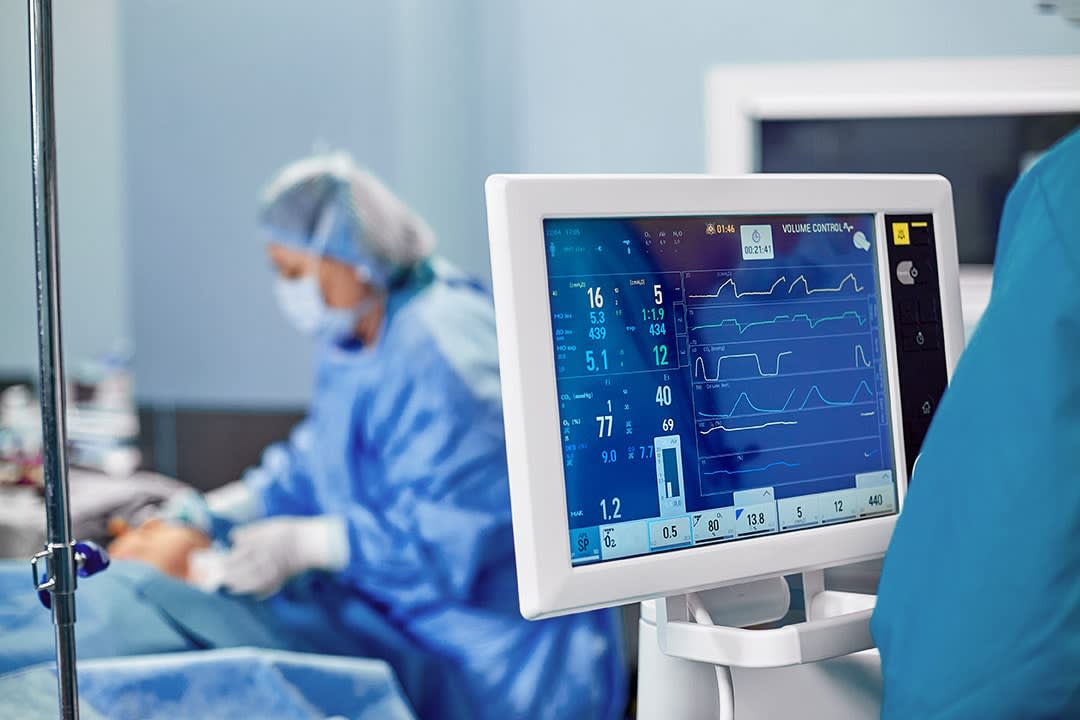
We’re the regional leaders in the diagnosis and treatment of atrial fibrillation, offering a full spectrum of treatment options.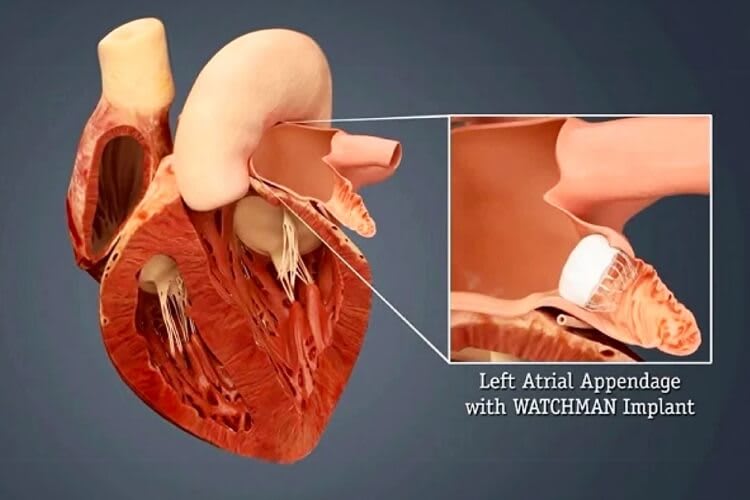
PIONEERS OF THE WATCHMAN™ DEVICE PROCEDURE
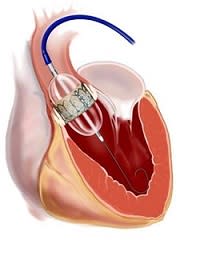
Stamford Hospital became the first in Connecticut to implement the Watchman device to treat atrial fibrillation.
MORE ABOUT THE WATCHMAN DEVICE
TRAILBLAZERS OF LEADLESS IMPLANTS & CRYOABLATION
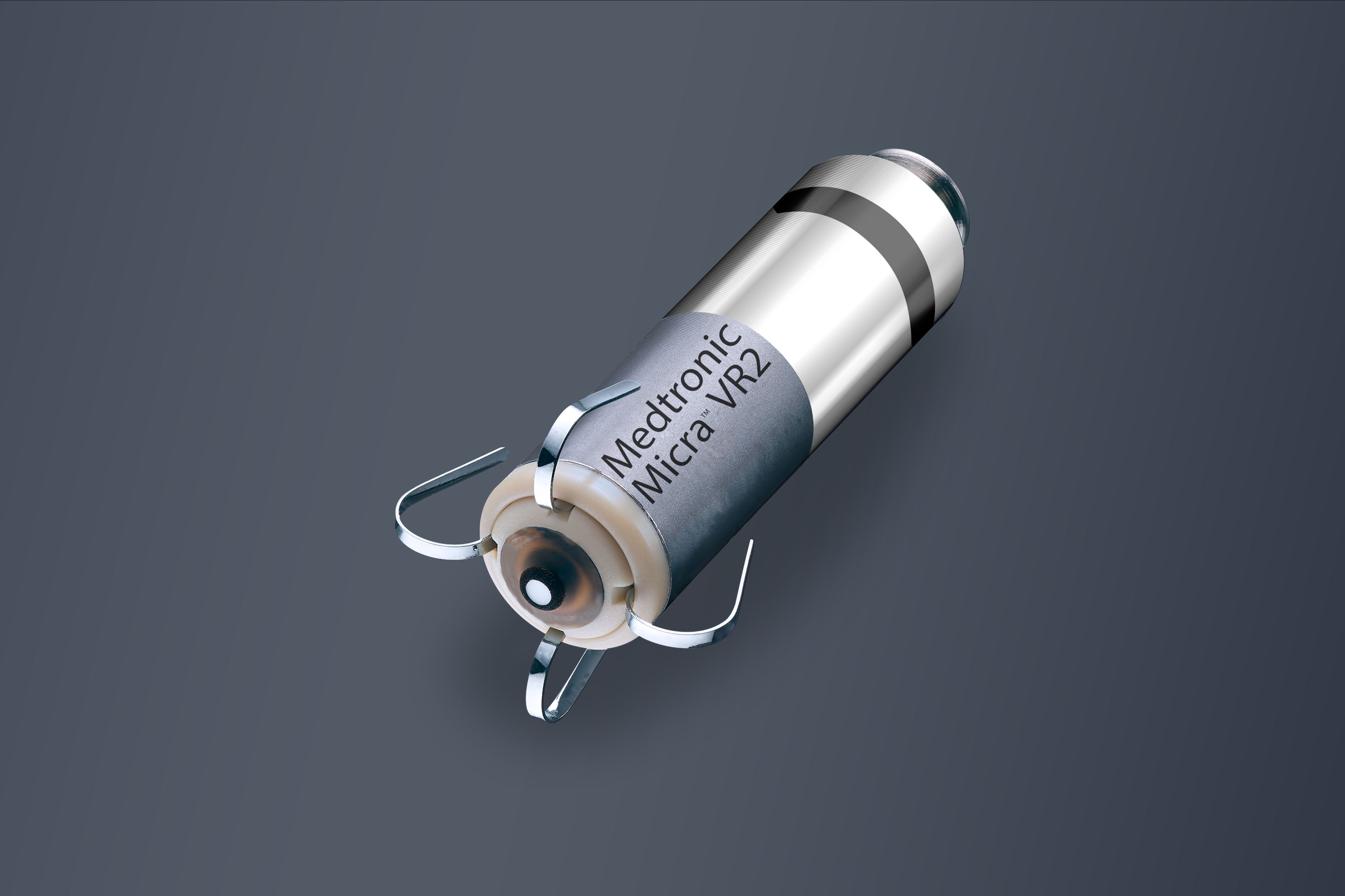
We were the first hospital in the region that implanted Abbott’s AVEIR Leadless Pacemaker and continue to be the only site in the region that offers cryoablation.
Take A Look Inside Our Lab
-

Comfortable Waiting Areas
Stamford Health welcomes care partners and provides many spaces throughout the hospital where they can wait while a loved one is undergoing a procedure.


What Is Electrophysiology?
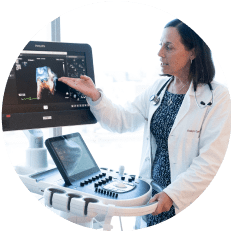
Electrophysiology is the study of electrical disorders of the heart, such as atrial fibrillation (AFib). We examine the heart’s electrical signals to determine the cause of an abnormal heart rhythm.
Your physician or cardiologist may refer you to see an electrophysiologist at the Heart & Vascular Institute (HVI). Here, our board-certified electrophysiologists bring you the latest, most innovative treatment options to develop a targeted treatment plan that’s designed to alleviate your symptoms, decrease your risk of stroke and sudden cardiac death, and improve your quality of life.
Patient-Focused Treatment Using Advanced Technology
Testing & Treatment
Stamford Health’s electrophysiologists work together with your cardiologist, primary care provider, and any other specialists to effectively diagnose and treat heart rhythm disorders. We’re committed to bringing patients the latest, innovative treatment approaches to complex arrhythmias performed in a compassionate, supportive environment.
During treatment, a doctor may recommend any of the following tests:
- To diagnose a heart disorder, an electrophysiologist may order non-invasive tests such as an electrocardiogram (EKG) to measure the rate and rhythm of your heartbeat or a Holter and event monitor to diagnose arrhythmias that come and go.
- Our electrophysiologists may suggest implanted devices including an event recorder (loop recorder), which is implanted under the skin in the chest, or the Watchman, a permanent implant that provides an alternative to blood thinners.
- To treat arrhythmia, you may undergo an ablation treatment such as catheter ablation. This non-surgical technique destroys small areas of heart tissue that are responsible for an abnormal heart rhythm.
- Other highly successful treatments include implantation of cardioverter defibrillator (ICD), pacemaker, and subcutaneous ICD.
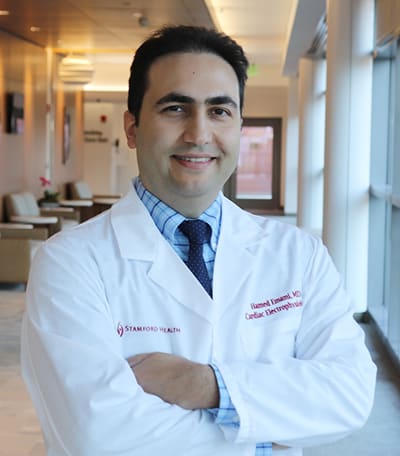
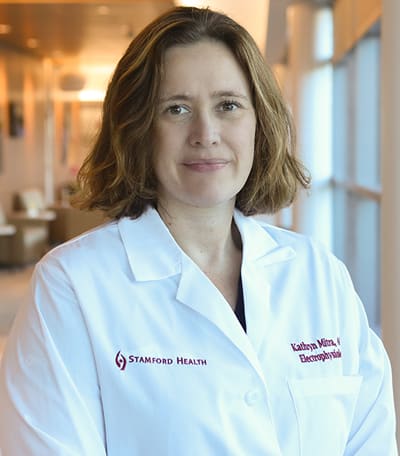
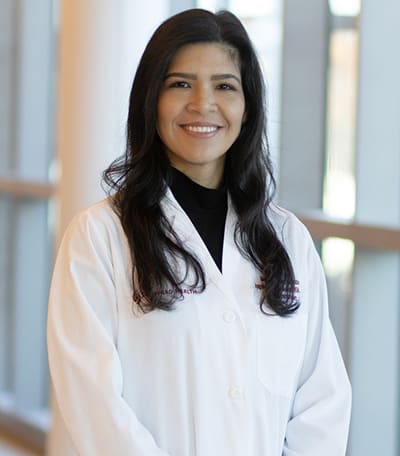
Meet Our Providers

203.276.2321



203.276.2321










)